

The challenge isn't awareness. It's sorting.
91%
of global plastic waste goes unrecycled2.14M
tons of unrecycled plastic in Oman annually256.8M
OMR in lost plastic value every yearWhere it started
Can AI make recycling easier to understand, easier to sort, and easier to act on?
That question stayed with me because the problem is not abstract. It is real, visible, and frustratingly inefficient. Sorting is manual, slow, expensive, and disconnected from the tools people actually use every day.
What made Env.ai meaningful was that it was never just an AI experiment. It was an attempt to connect technology with a real environmental challenge affecting businesses, recycling systems, and communities.
What Env.ai became
How it works
01
Item placed in bin
Camera captures the object on entry02
CNN classification
Model identifies plastic type at 82–93%+ accuracy03
Automatic routing
Sorted into the correct slot no human input neededManual sorting vs Env.ai
Waste = value
Plastic waste is not just an environmental problem. It's an economic one. When sorting fails, recoverable value disappears. Env.ai turns waste into structured, recoverable value.
Pricing
For pilot deployment inquiries, contact me directly via email.
Inquire via Email
Recognition
International Recognition · British Omani Society
London International Youth Science Forum 2025
Represented Oman among 400+ participants from 90+ countries, presenting Env.ai at the Science Bazaar in London.
London, United Kingdom
Read official coverage
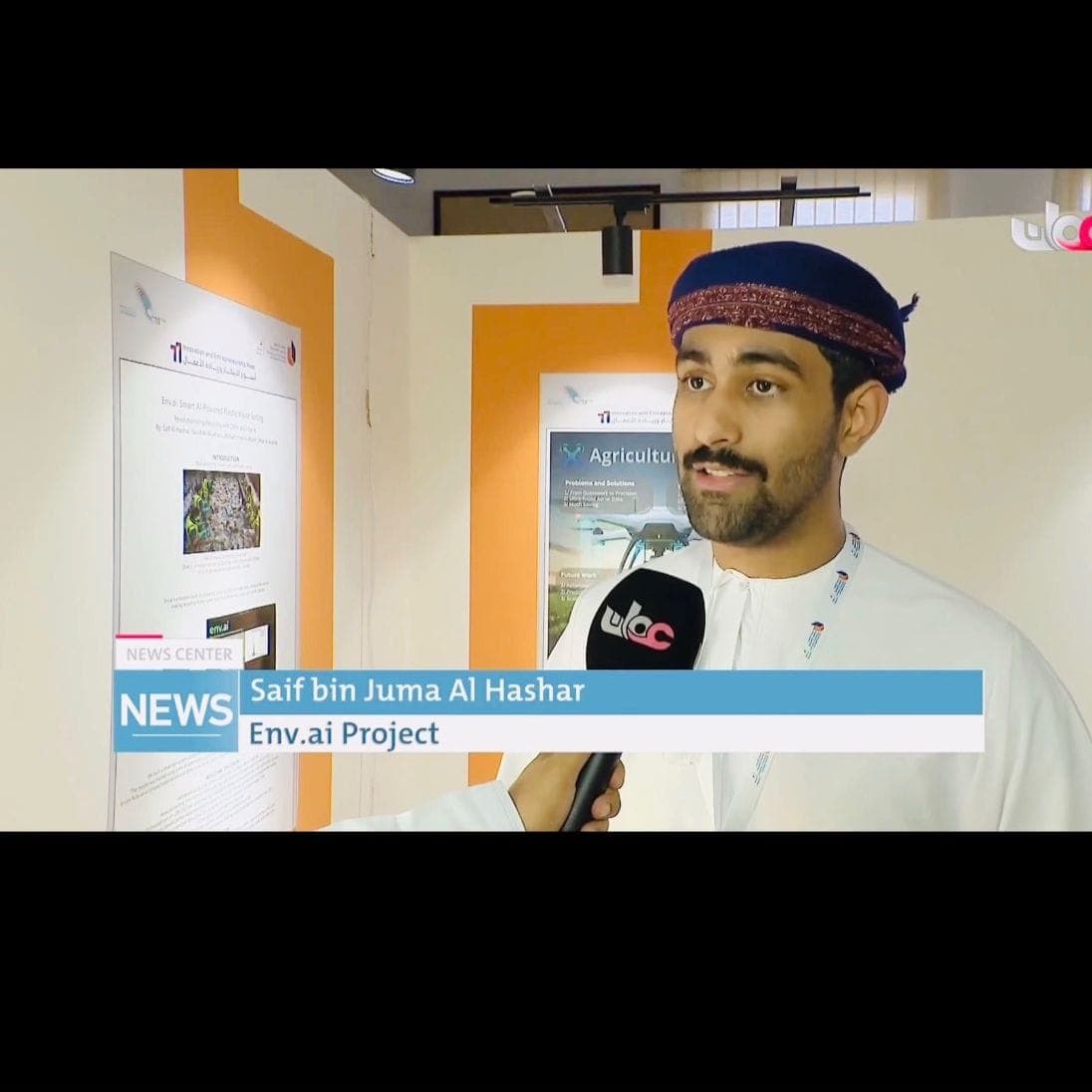
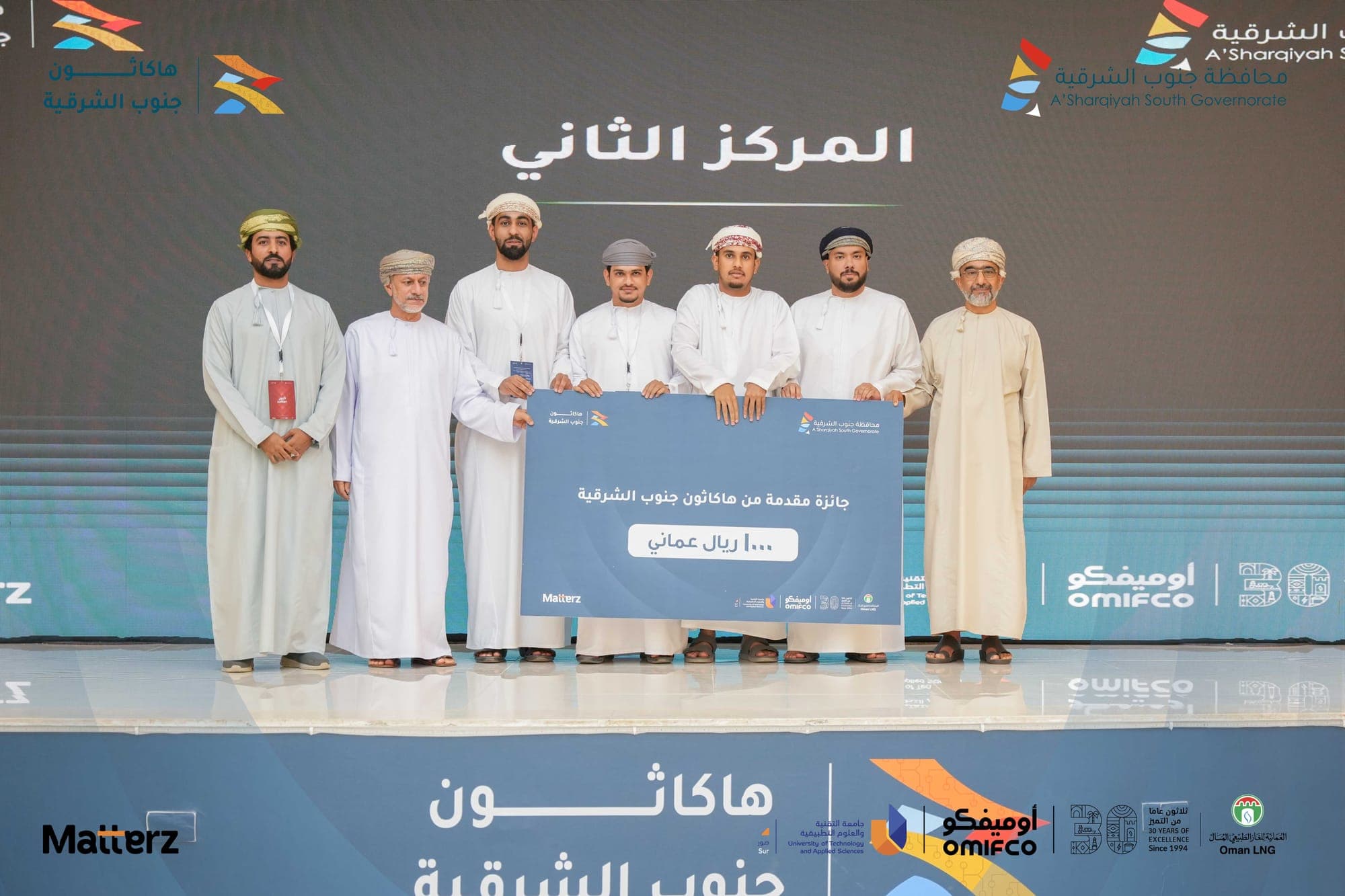
Entrepreneurship HackathonCommercial and entrepreneurial potential
2nd PlaceQimam "Creators of Ideas"National innovation competition
FinalistFeatured coverage
Times of Oman
Read article
Oman Observer
Read article
Muscat Daily
Read article
Al Waha Magazine
Read article
Hala FM
Read article
Al Sahwa
Read article
Radio Interview - Ayn FMTalking about Env.ai and the future of AI in sustainability - May 2026
Listen on Ayn FM

Frequently Asked Questions
What specific problem does Env.ai target?
How does Env.ai work?
Why focus on plastic sorting?
What technologies were used?